


Selling your home?
If you're preparing to list your home, an electrical inspection isn't a required step — but it can be one of the most useful ones, depending on your home's age and history.
Why buyers (and their agents) care about this specifically
Electrical issues are one of the more common findings in a standard home inspection, and they can stall or derail a deal at exactly the wrong moment — after an offer's already been accepted. A knob-and-tube reference, an unrecognized panel brand, or aluminum wiring flagged mid-inspection can send a buyer straight to their lender or insurer with questions you weren't prepared to answer.
What a pre-listing electrical inspection actually covers
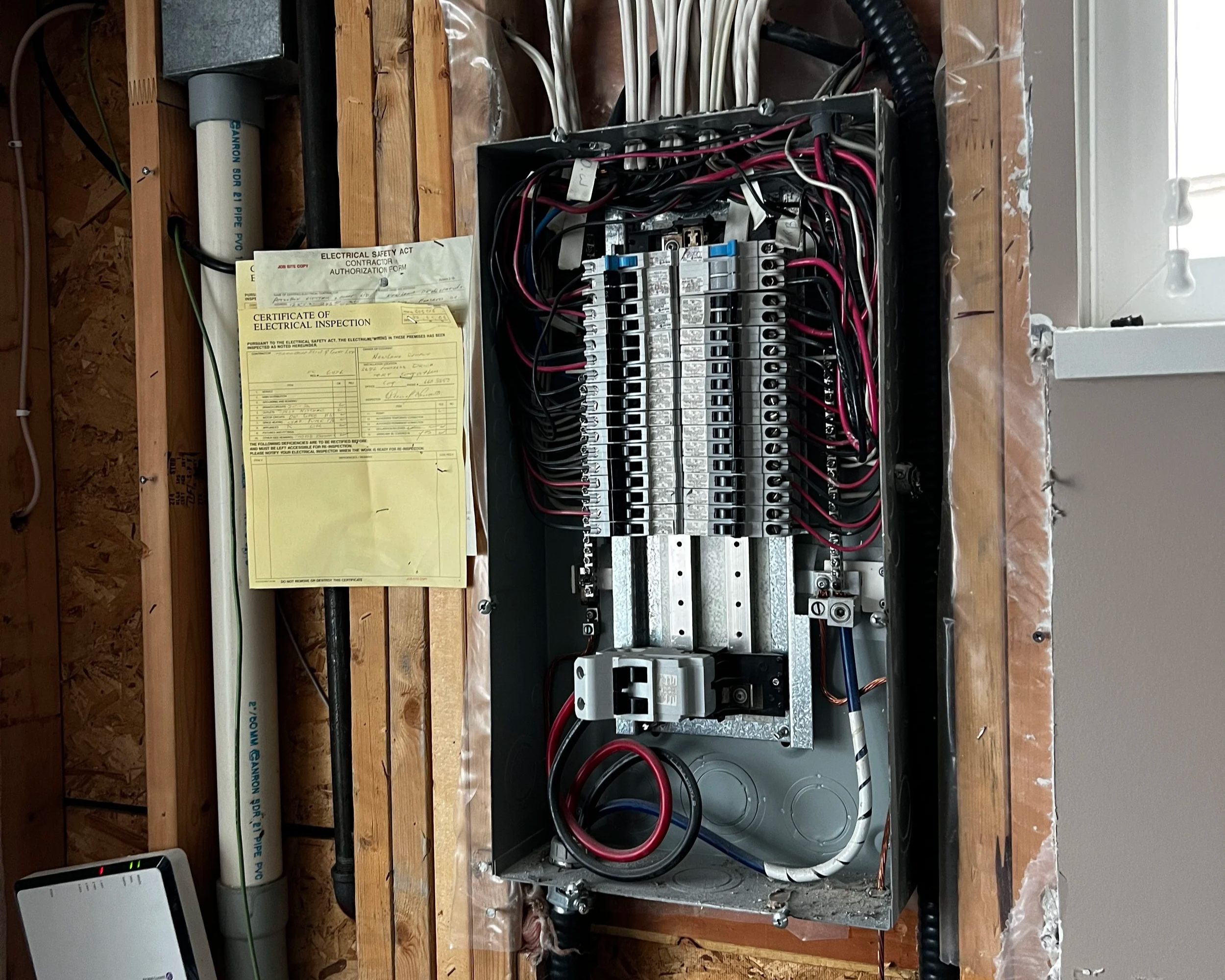
Panel condition and type (including checking for known panel brands like Federal Pacific/StabLok)
Visible wiring type — copper, aluminum, or knob-and-tube
GFCI/AFCI protection in required areas
Any obviously outdated or non-compliant work from past renovations
A written report you can proactively share, rather than reactively explain
What it can't do
An electrical inspection isn't the same as a full home inspection, and it won't cover plumbing, structural, or other systems — it's specifically focused on the electrical side of the property. It also doesn't "fix" anything by itself; it identifies existing conditions and potential safety or code concerns so you can decide whether to repair items before listing or disclose them upfront to prospective buyers.
Two ways sellers typically use this information
Fix what's flagged before listing — especially anything that could otherwise become a buyer's negotiating leverage or an insurance obstacle for them
Disclose proactively with documentation — sometimes it's not worth fixing everything, but having a professional report ready means you're not caught off guard when the buyer's own inspector finds it
Why this matters more for older homes in this area
A meaningful number of homes in Maple Ridge and the surrounding area were built in eras where aluminum wiring or older panel types were standard practice at the time. That's not a red flag on its own — but it's exactly the kind of thing worth knowing about and having documented before it becomes a surprise during a live transaction.
Thinking about listing soon?
A pre-listing electrical assessment gives you a clear picture and a report you can use, whether you decide to fix, disclose, or simply go in informed.
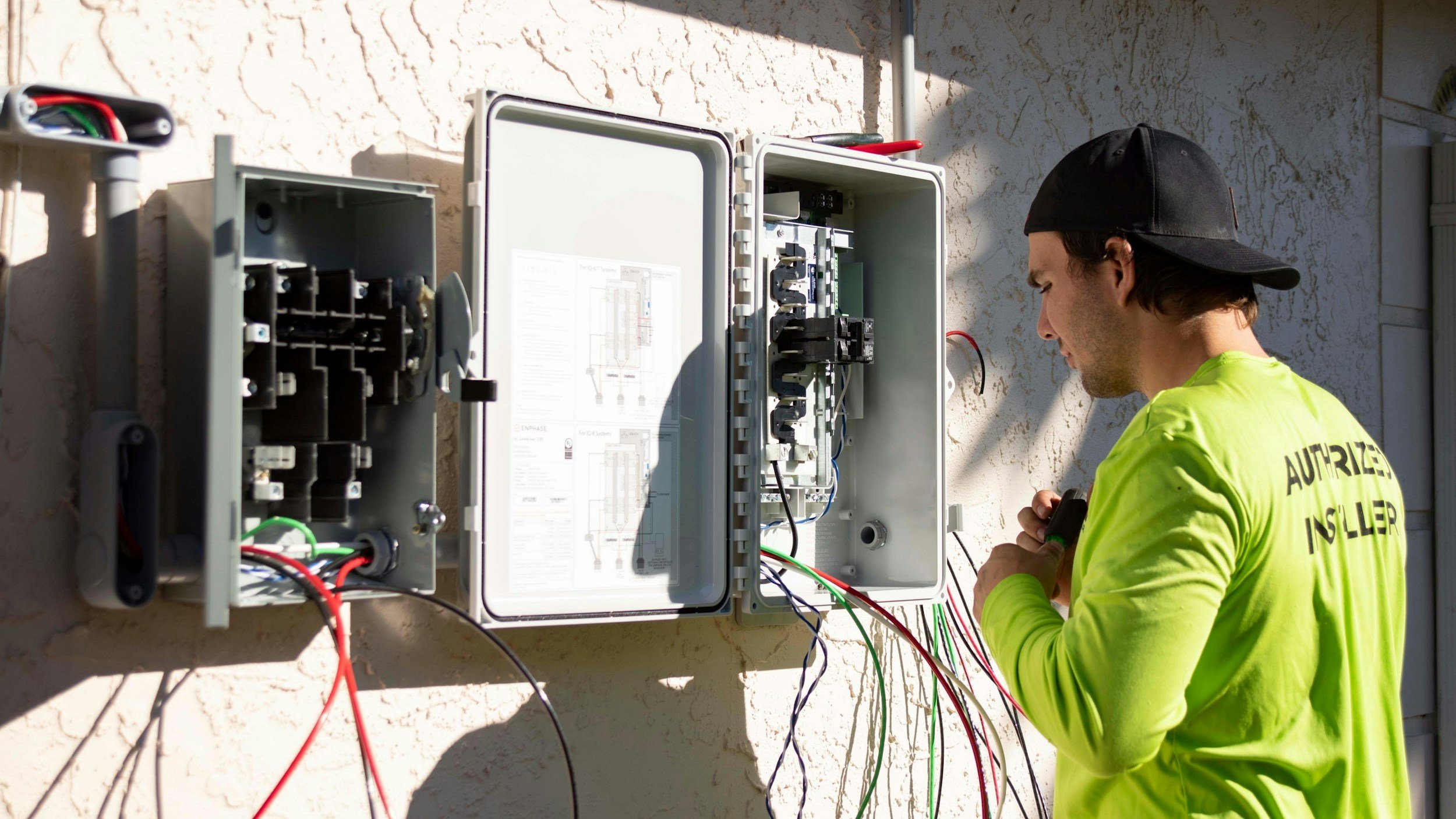
Home Inspections!
Royle West Electrical Ltd is a Red Seal Certified, CleanBC-registered electrical contractor serving Maple Ridge, Pitt Meadows, Langley, Port Coquitlam, and the surrounding Lower Mainland.
